MICE
About Mice
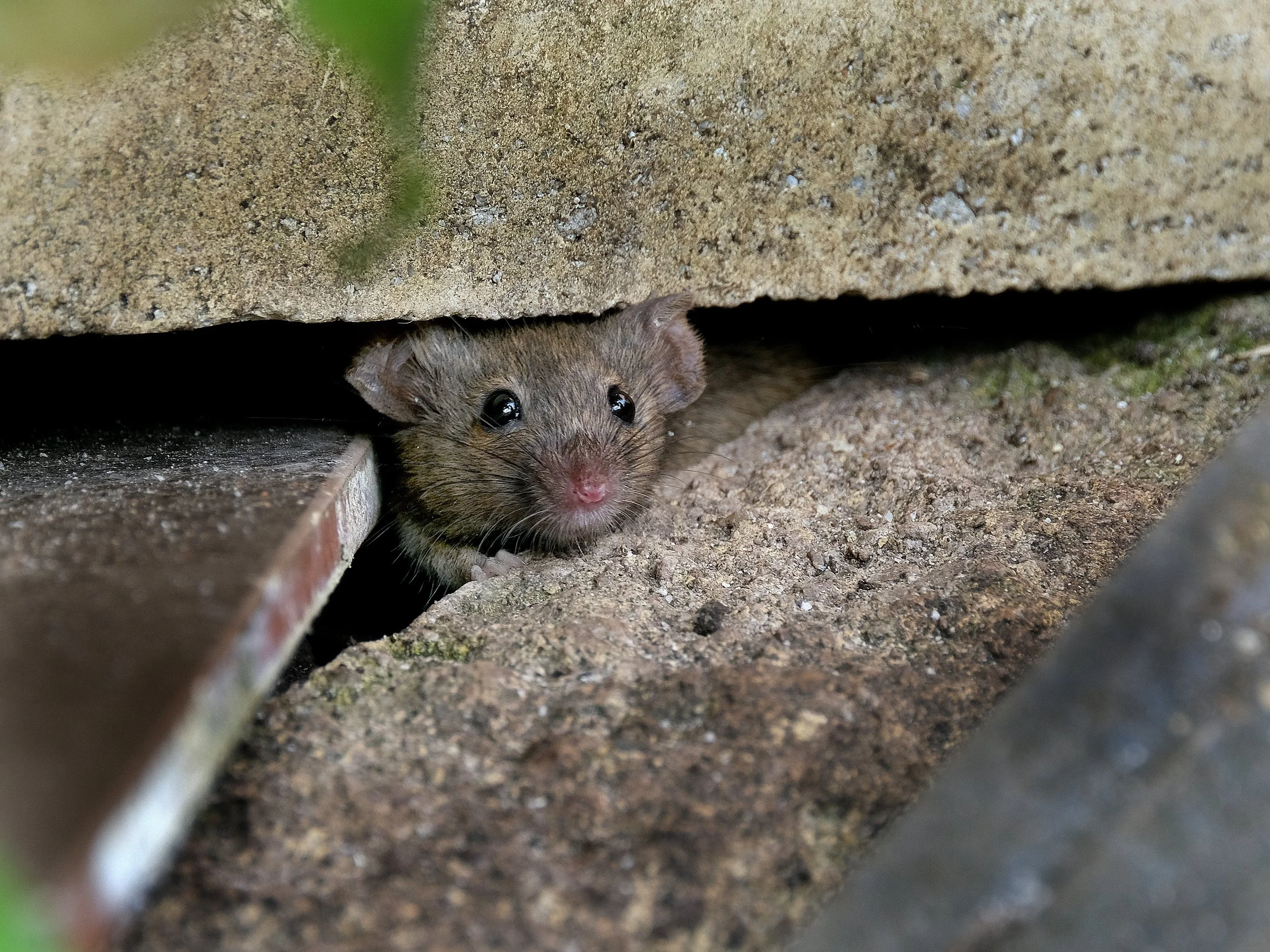
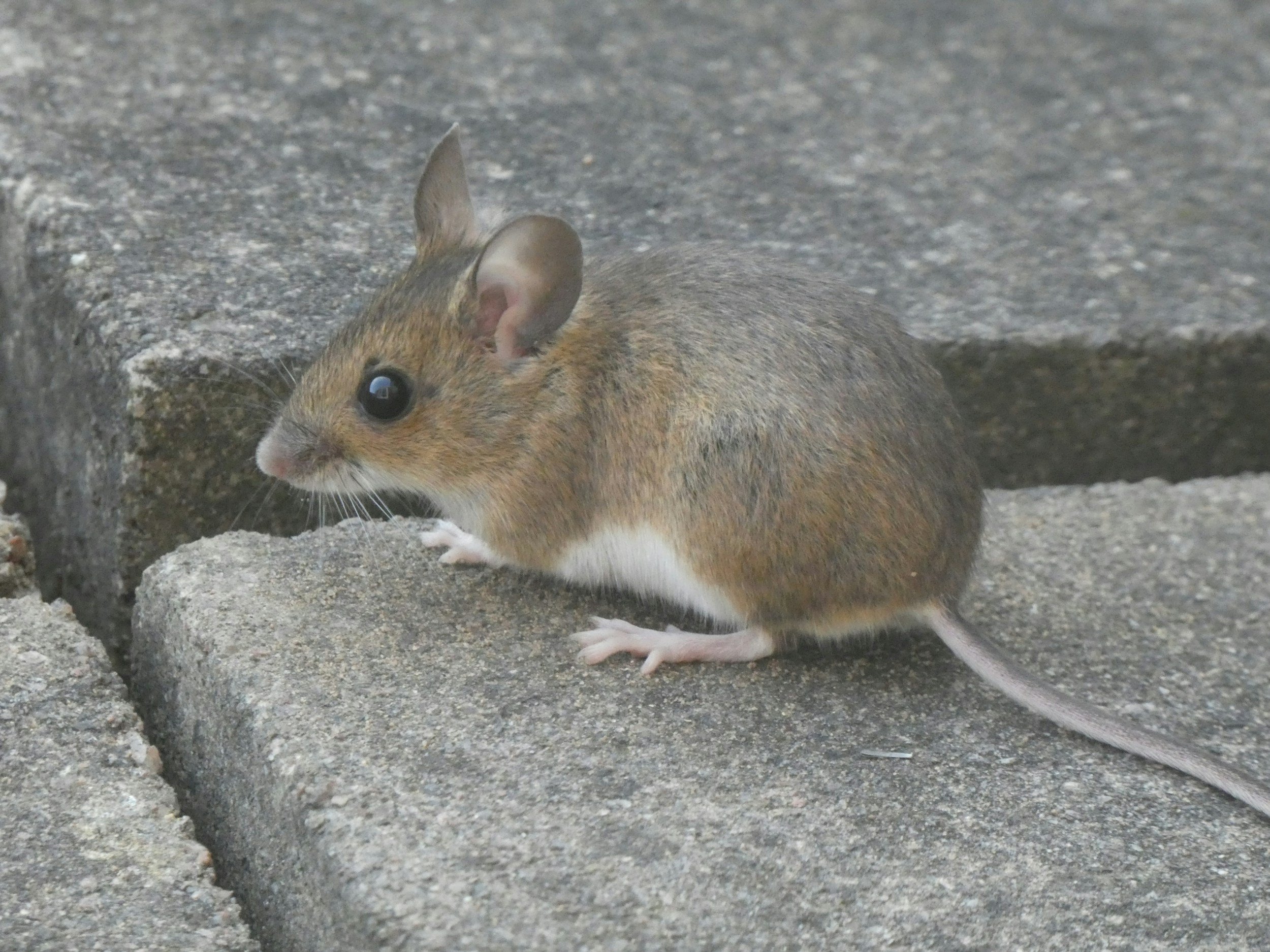
Mice are small mammals. There are over 1,000 species of mice and mouse-like rodents, making them one of the most widespread and diverse groups of small mammals.
Mice are found on nearly every continent except Antarctica. They typically live in burrows, fields, forests, buildings, and other sheltered areas — including your walls, attic, or garage. Their behavior varies widely; some species are primarily nocturnal, while others may be active during the day. Most mice are omnivorous, feeding on seeds, grains, fruits, insects, and other available foods.
Mice play an important role in many ecosystems. They serve as an important food source for predators such as owls, hawks, snakes, foxes, and other mammals. Mice also help disperse seeds and contribute to the natural cycling of nutrients. However, when they move into homes, they can become unwanted pests by contaminating food, damaging materials, and sometimes carrying diseases.
Why are Mice a Nuisance Animal?
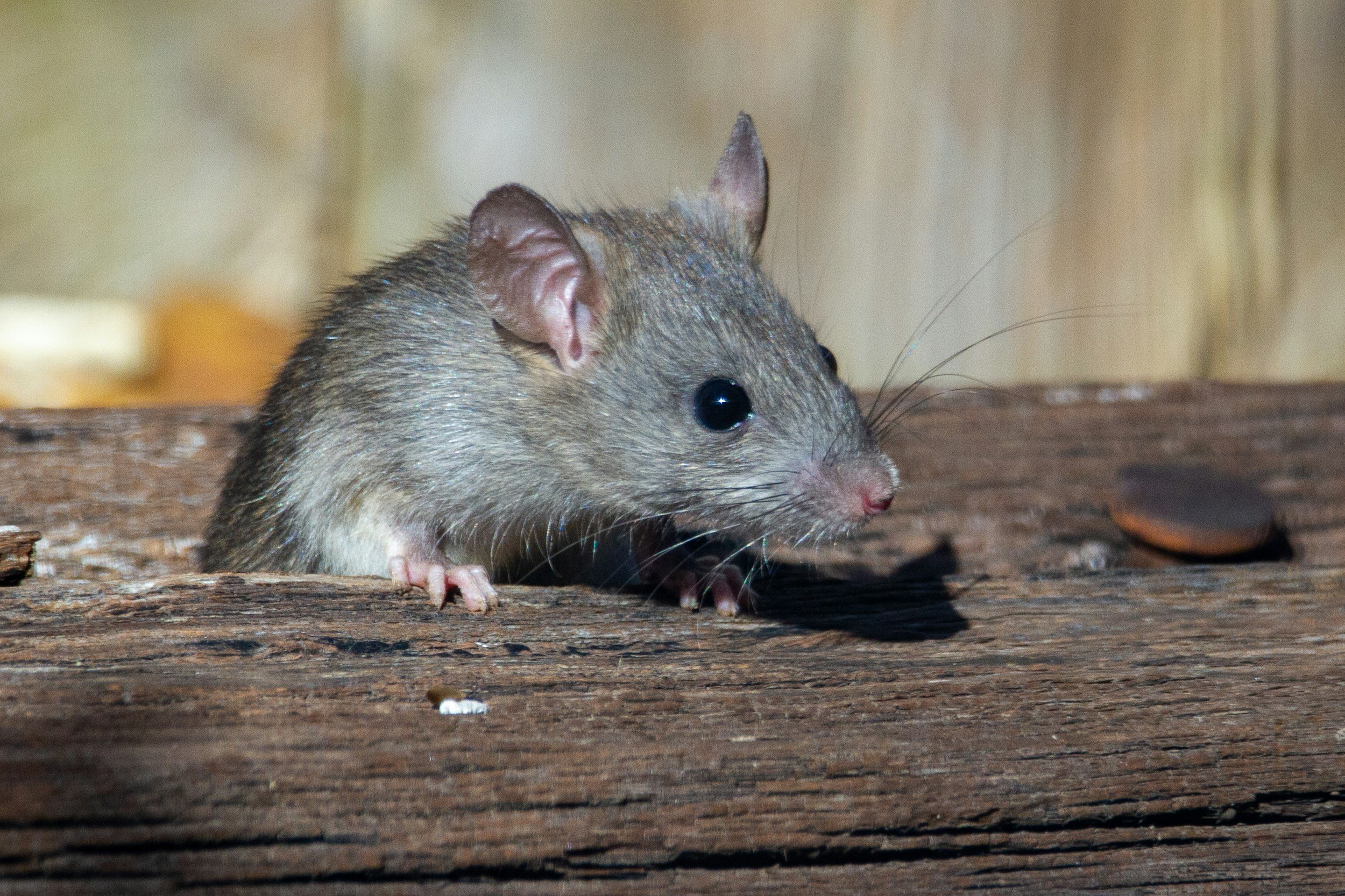
Mice can pose several problems when they enter or inhabit a home.
One primary concern is the potential health risk associated with mouse droppings, urine, and nesting materials. Mice can contaminate food, countertops, cabinets, and other surfaces with feces and urine. Their droppings can also become a source of airborne particles when disturbed, making proper cleanup and sanitation important.
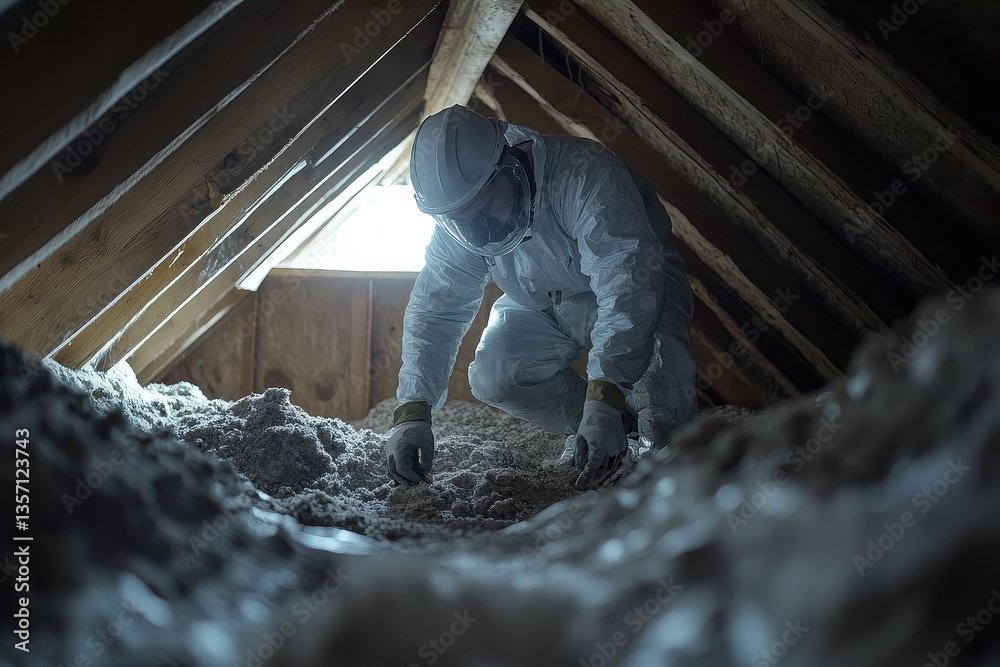
Mice can cause property damage. They can squeeze through openings as small as about 1/4 inch and commonly nest in attics, walls, crawl spaces, garages, and other sheltered areas. Mice may chew insulation, cardboard, wood, and other materials while building nests. They are also capable of chewing electrical wiring, which can create a potential fire hazard.
Mice can carry and transmit diseases and parasites. In addition to contamination from their droppings and urine, mice may carry ticks, fleas, mites, and other parasites. Some diseases associated with rodents can be transmitted to people through contact with contaminated materials, food, or surfaces. Although serious illness is uncommon, appropriate precautions should be taken when cleaning areas contaminated by mice.
Mice can also create unpleasant odors and disturbances within a home. Their scratching, gnawing, and movement inside walls, ceilings, and other enclosed spaces can be especially noticeable at night when mice are most active. A growing infestation can result in increasing noise, odors, droppings, and damage.
Addressing a mouse issue promptly and effectively is important for protecting the health, cleanliness, and condition of the home. Sealing entry points, removing food and nesting opportunities, and using appropriate control measures can help prevent mice from becoming an ongoing problem.
How can 10-Eleven Nuisance Wildlife Control solve my Mouse problem?
When mice become a problem, 10-Eleven Nuisance Wildlife Control can help identify where they are getting into your home and develop an effective plan to address the infestation. Our approach focuses on more than simply removing the mice—we look for potential entry points, nesting areas, and conditions that may be attracting them. We can help remove or control mice and recommend exclusion measures to prevent them from returning. With professional experience and practical solutions, 10-Eleven Nuisance Wildlife Control can help you take back your home and keep it mouse-free.
Got Bats?
Contact 10-Eleven Nuisance Wildlife today!